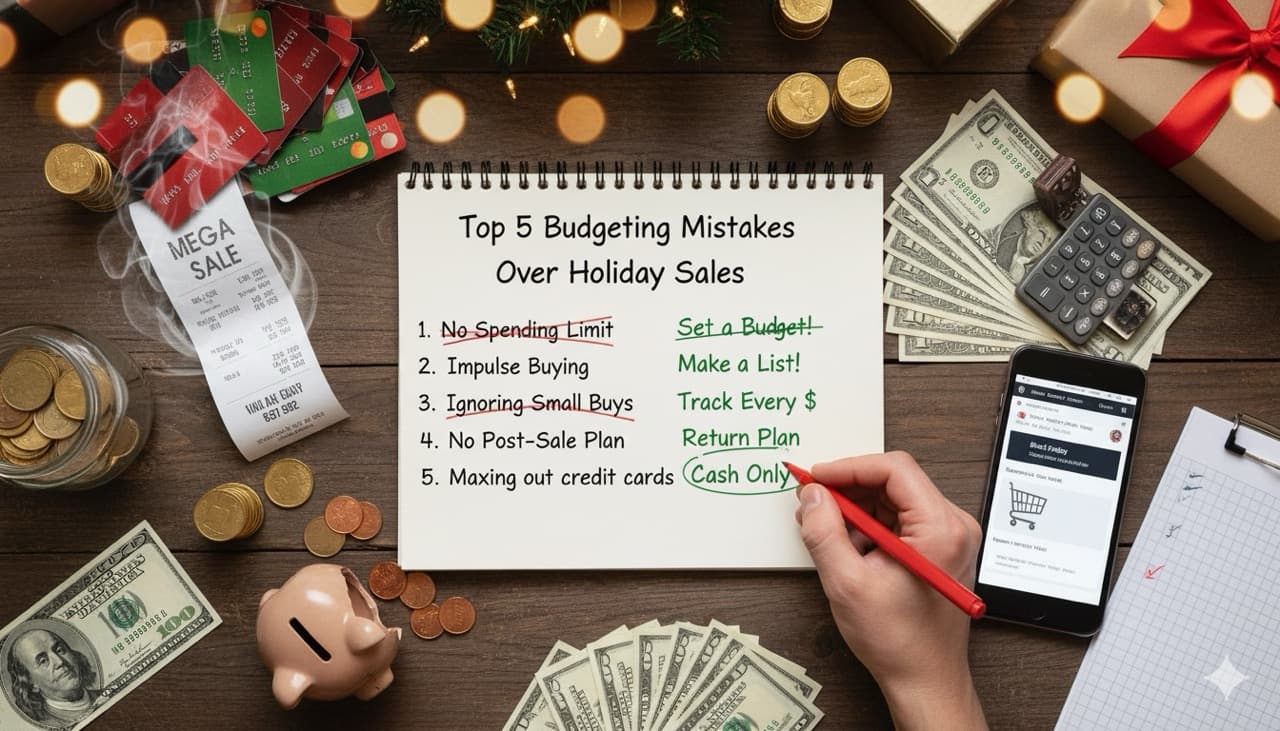
You don't need to overspend to give meaningful gifts. Here's how to understand what makes gifts feel valuable — and how to make every euro count this Christmas
Every December, millions of people spend more than they planned — not because they're careless, but because they care. The problem? We confuse “meaningful” with “expensive.”
Here's the truth: the best gifts aren't bought with money — they're built with intention. Let's break down the psychology of giving and how to do it smarter this year.
Step 1: Understand What Makes a Gift Feel Valuable
Research in behavioral psychology shows that the emotional fit of a gift matters far more than its price. People remember how you made them feel, not what you spent.
Ask yourself before you buy anything:
- Does this show I get them?
- Does it make their life better, easier, or happier?
- Does it connect us in some way?
If the answer's yes, you're already giving something priceless.
Pro tip: Write down three adjectives that describe the person — then buy something that matches those words. It makes the gift feel intentional.
Step 2: The “Social ROI” of Gift Giving
Think of every gift as an investment in connection. The best ROI isn't applause — it's closeness, gratitude, and memories.
Here's what that means in real life:
- A €25 dinner with your parents is better than a €100 sweater they'll never wear.
- A handwritten note to a friend beats a random Amazon gadget.
- A photo album or playlist says “I thought of you,” not “I panicked on December 23rd.”
When money's tight, time and attention become your strongest currencies.
Step 3: Set Boundaries — Not Out of Guilt, But Strategy
Overspending doesn't make you generous; it makes you stressed. And nobody wants that energy during the holidays.
Set a clear gift budget per person and stick to it:
- Partner / spouse: €50–100
- Close family: €30–50
- Friends / colleagues: €10–25
Use these as guidelines, not guilt trips. The goal is to give without resentment or regret.
Inside MoneyCoach, you can create a category for “Gifts 2025” and see how your total spending compares to your plan in real time.
Step 4: Embrace “The Rule of 3” — Balance Between Thought, Effort, and Use
A great gift usually checks at least two of these boxes:
- Thoughtful: It fits the person's story.
- Effortful: It took some creativity or time.
- Useful: They'll actually use or enjoy it.
Miss all three? It's just clutter.
Focus on small wins: a well-written note, a playlist, a handmade recipe jar, a book that shaped you. These land every time.
Step 5: The “No Gift Pact” — When Giving Less Means More
Some of the most meaningful Christmases happen when families agree to skip the pressure. Try:
- “Secret Santa” with spending limits.
- “One gift each” policy.
- Shared experiences instead of stuff — like a dinner or weekend trip.
The result? Less stress, less waste, and more connection. Because presence always beats presents.
Step 6: Stop Shopping When the Joy Stops
If you feel anxious, guilty, or annoyed while shopping — that's your cue to stop. You've crossed from giving to performing. Take a pause, close the browser, breathe.
You've already done enough.
Related Reads
Final Thought
Meaningful gifts don't come from bigger wallets — they come from bigger hearts. Spend where it matters, skip where it doesn't, and remember: The best gift you can give is your attention. Everything else is just wrapping paper.